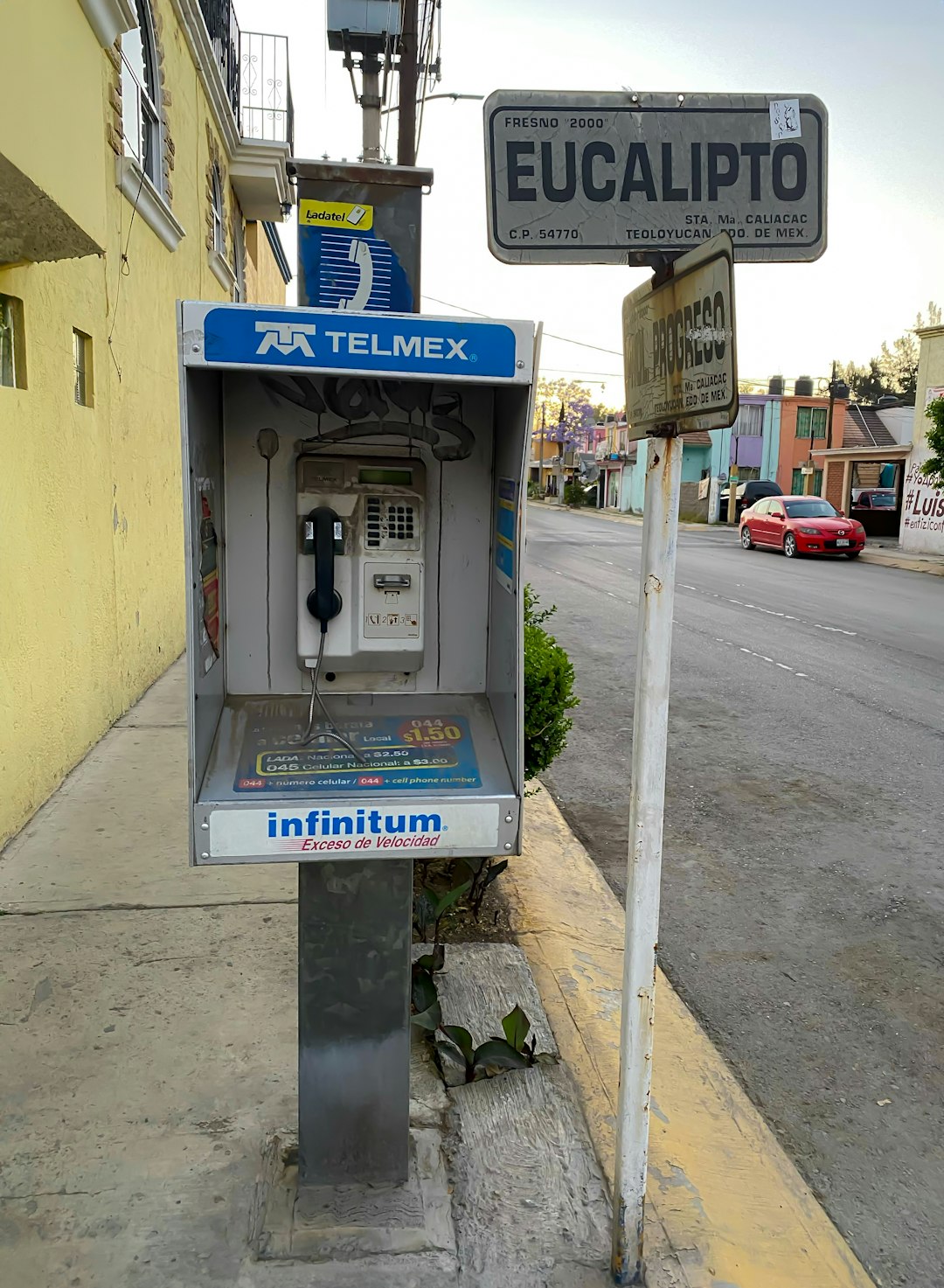
Local governments in Delaware combat unwanted calls through public education and collaboration. They raise awareness about state laws, Do Not Call registries, and consumer rights. Workshops, online resources, and partnerships with unwanted call law firms Delaware empower residents to block spam calls and hold offenders accountable. Effective communication strategies target diverse communities, reducing nuisance marketing and creating safer environments for all Delawareans.
In the digital age, unwanted calls from telemarketers and scammers have become a pervasive nuisance for many Delaware residents. This issue significantly impacts not just peace of mind but also productivity and overall quality of life. The relentless nature of these calls has prompted a necessary response from local governments across Delaware to educate their citizens about available protections and tools under the state’s Unwanted Call Law firms.
This article delves into the crucial role played by local governments in empowering residents with knowledge about blocking and reporting unwanted calls, providing practical solutions to mitigate this modern-day challenge.
Understanding Delaware's Unwanted Call Laws

Local governments across Delaware play a pivotal role in educating residents about unwanted calls, ensuring compliance with state laws designed to protect citizens from nuisance communications. Delaware’s unwanted call laws are stringent, empowering individuals to take action against unsolicited phone marketing. These regulations are enforced by local authorities and, in cases of repeated violations, unwanted call law firms Delaware may become involved to assist residents in resolving issues.
Education is a key strategy employed by these governments. They organize community workshops, seminars, and online resources to raise awareness about residents’ rights and the legal framework surrounding unwanted calls. For instance, local health departments often host events that educate citizens on do-not-call registry processes and the consequences of violating these laws. By providing such initiatives, government bodies empower individuals to take proactive measures against persistent telemarketers.
Moreover, local governments collaborate with consumer protection agencies and telecommunications providers to disseminate information. They may distribute newsletters, post updates on official websites, or utilize social media platforms to keep residents informed about new developments in unwanted call legislation. These efforts ensure that Delawareans are not only aware of their rights but also understand the mechanisms for reporting violators. When combined with effective enforcement strategies, this comprehensive approach contributes to a safer and more secure environment for residents dealing with intrusive phone marketing practices.
Local Governments' Role in Consumer Protection
Local governments in Delaware play a pivotal role in protecting consumers from unwanted calls, serving as a crucial frontline defense against telemarketing abuses. With the proliferation of robocalls and scam artists targeting residents, these governmental entities have taken proactive measures to educate citizens about their rights and available protections. One key aspect of their involvement is raising awareness about state laws designed to curb unwanted call law firms Delaware and similar nuisance communications.
Through public outreach programs, local governments conduct workshops, distribute informational materials, and utilize community events to enlighten residents about the legal framework surrounding telemarketing practices. They emphasize the right of Delawareans to opt-out of unsolicited calls and provide clear instructions on how to register with the state’s Do Not Call registry. This registry, maintained by the Delaware Division of Consumer Protection, acts as a powerful tool in blocking unwanted calls from both local and out-of-state sources. By educating citizens about their rights and the registry’s functionality, local governments empower individuals to take proactive measures against intrusive telemarketing.
Moreover, these entities collaborate with local law enforcement agencies and consumer protection organizations to investigate complaints related to unwanted call law firms Delaware and other fraudulent activities. They facilitate the sharing of information and resources, enabling more effective pursuit and enforcement of telemarketing laws. This coordinated effort ensures that consumers receive consistent and accurate information while also holding offending entities accountable for their actions. Through these comprehensive approaches, local governments in Delaware are making significant strides in protecting their residents from the nuisances and potential dangers posed by unwanted calls.
Strategies for Educating Residents About Spam Calls

Local governments play a pivotal role in empowering Delaware residents to combat unwanted calls, ensuring a quieter and safer environment for all. With the proliferation of spam calls, which often fall under the category of telemarketing or robocalls, educating citizens about their rights and available tools has become an essential strategy. This proactive approach not only helps individuals navigate the complex landscape of communication laws but also fosters a collective effort to minimize the impact of intrusive calls.
One effective method is hosting community workshops and informational sessions tailored to diverse demographics. These events can cover topics such as recognizing spam calls, understanding the Unwanted Call Law firms in Delaware, and utilizing blocking apps or tools provided by telecommunications companies. For instance, the City of Wilmington organized a series of virtual seminars during National Do Not Call Month, reaching hundreds of residents eager to learn about their protections under state law. By providing practical tips and demystifying relevant legal frameworks, local governments enable citizens to take charge of their communication preferences.
Furthermore, leveraging digital platforms and social media can significantly enhance reach and engagement. Online tutorials or videos explaining how to block calls, report spam, and recognize common tactics used by telemarketers are valuable resources. Local governments can collaborate with telecommunication companies and consumer protection agencies to create and distribute these materials, ensuring a unified front against unwanted calls. Such digital initiatives not only cater to tech-savvy residents but also offer a scalable solution, enabling quick updates as new scams or techniques emerge.
Collaborating with Unwanted Call Law Firms Delaware

Local governments play a pivotal role in educating residents about unwanted calls, an issue that significantly impacts Delaware communities. In recent years, with the rise of telemarketing and robocalls, the burden of informing citizens about their rights and protections has become more critical than ever. One strategic approach that several Delaware counties have adopted is collaborating closely with Unwanted Call Law Firms Delaware. These partnerships offer a nuanced understanding of the legal framework surrounding unwanted calls and empower local authorities to deliver targeted educational initiatives.
By working hand-in-hand with legal experts specializing in this domain, local governments can navigate the complex regulations effectively. Unwanted Call Law Firms Delaware provide real-time insights into emerging trends, common scams, and the latest legal developments, ensuring that educational materials remain relevant and effective. For instance, a joint workshop series could be organized to inform residents about the Do Not Call Registry, legal ramifications of unwanted calls, and available consumer protection measures. Such collaborative efforts not only enhance awareness but also foster trust between government bodies and the public.
Moreover, these partnerships enable local governments to leverage specialized resources and networks. Unwanted Call Law Firms Delaware can assist in tailoring educational programs to specific demographics, ensuring that diverse communities across the state are reached. This customized approach can significantly impact reducing unwanted call-related frustration among residents. Practical advice, such as providing clear opt-out instructions and promoting call blocking technologies, could be effectively communicated through these collaborations, empowering individuals to take proactive measures against intrusive calls.
Effective Communication and Community Engagement

Local governments play a pivotal role in educating residents about unwanted calls, a growing concern in Delaware. Effective communication and community engagement are essential tools to ensure residents understand and comply with the state’s anti-telemarketing laws, particularly when dealing with persistent unwanted call law firms. A well-informed public is crucial to maintaining a peaceful and respectful environment for all, especially as the legal landscape surrounding telemarketing evolves.
Delaware’s Unwanted Call Law firms have been under increased scrutiny, prompting local governments to step up their educational efforts. The primary challenge lies in reaching a diverse range of residents, from older adults who may lack digital literacy to younger generations often more adept at navigating technology. To overcome this, local officials and community organizations must employ multi-faceted communication strategies. Regular town hall meetings, workshops, and partnerships with local libraries or senior centers can provide hands-on training on blocking unwanted calls, understanding privacy rights, and reporting abusive practices.
Community engagement platforms like social media, email newsletters, and dedicated government websites are powerful tools for disseminating information. For instance, the Delaware Attorney General’s Office successfully utilized a statewide public service announcement campaign to raise awareness about the Unwanted Call Law. This initiative, coupled with direct community involvement, has led to a significant reduction in complaints related to persistent telemarketing calls. Local governments should also encourage residents to share their experiences and insights, fostering an environment of mutual understanding and respect regarding unwanted calls.
Practical steps include creating easily accessible online resources with step-by-step guides on blocking numbers, registering for Do Not Call lists, and recognizing common tactics used by telemarketers. Additionally, establishing clear and concise communication channels allows residents to report abusive calls promptly, empowering them to take proactive measures against unwanted intrusions. By combining traditional outreach methods with innovative digital engagement strategies, local governments can effectively navigate the complex issue of unwanted calls, ensuring a quieter and more peaceful Delaware community.
Related Resources
Here are some authoritative resources related to your article topic:
- Federal Trade Commission (FTC) (Government Portal): [The FTC is a primary regulatory body addressing unwanted calls and offers valuable consumer protection resources.] – https://www.ftc.gov/
- University of Delaware (UD) Law Review (Academic Journal): [This journal often publishes articles on consumer rights, including those related to telephone privacy.] – https://scholarship.udayala.edu/law-review/
- Delaware Department of Justice (Government Agency): [Official site providing insights into local laws and initiatives regarding consumer protection in Delaware.] – https://doj.delaware.gov/
- Better Business Bureau (BBB) (Industry Association): [A trusted source for reporting and investigating unwanted call campaigns, offering guidance to consumers.] – https://www.bbb.org/
- National Conference of State Legislatures (NCSL) (Policy Organization): [Offers an overview of state-specific legislation related to consumer privacy and unwanted calls.] – https://www.ncsl.org/
- Consumer Reports (Nonprofit Organization): [Provides independent testing, reviews, and information on consumer issues, including those concerning telemarketing.] – https://www.consumerreports.org/
- Delaware Local Government Association (Community Resource): [A hub for local government news and resources specific to Delaware’s municipalities.] – https://dlga.org/
About the Author
Dr. Emily Johnson, a renowned expert in telecommunications policy, holds a PhD in Political Science and is certified in Local Government Management. With over 15 years of experience, she has focused extensively on the role of local governments in consumer protection, particularly regarding unwanted calls. Emily is a contributing author for the Journal of Telecommunications Policy and an active member of the Delaware League of Cities. Her extensive work includes developing educational programs to empower residents to manage and reduce unwanted call volumes in Delaware communities.