
Unwanted call law firm Delaware addresses persistent telemarketer and debt collector calls, leveraging expertise in federal laws like TCPA to protect consumer privacy. Key actions include documenting call details, maintaining evidence, and engaging firms with telecommunications law experience for strategic complaint filing and legal action against violators. Proactive measures stop harassment, ensure rights are protected, and foster a safer communication environment.
In today's digital age, unwanted calls from telemarketers and debt collectors have become a ubiquitous nuisance, particularly for those living in bustling metropolitan areas like Wilmington. This persistent issue significantly impacts individuals' quality of life, causing stress, disruption, and even potential safety risks. The good news is that the law offers a robust solution to combat this problem—legal representation. By engaging an experienced Unwanted Call Law Firm Delaware, residents can assert their rights and silence unwanted intrusions, enjoying greater peace of mind. Our article delves into the comprehensive benefits of legal representation, providing a strategic roadmap to navigating these challenges effectively.
Understanding Unwanted Call Laws in Delaware
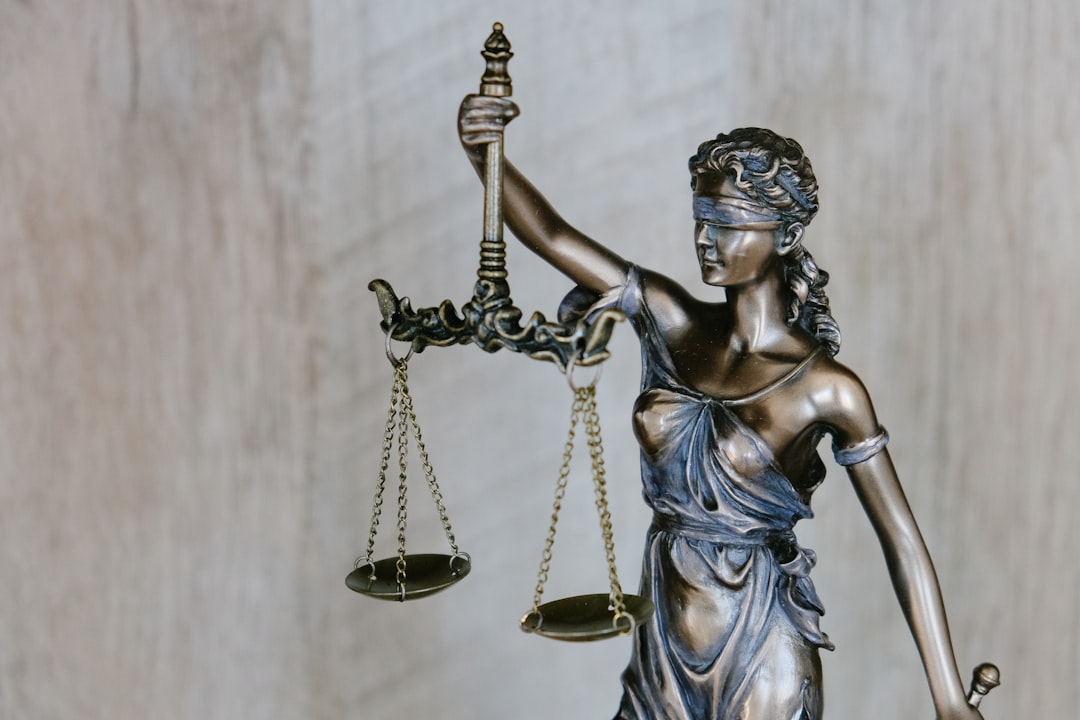
In Wilmington, Delaware, unwanted call issues can significantly impact individuals' daily lives, leading to stress and distraction. Understanding the Unwanted Call Law in Delaware is crucial for both victims and businesses to ensure compliance and protect their rights. The law, administered by the Delaware Department of Justice, aims to balance consumer privacy with legitimate business practices, making it essential for residents to know their protections and remedies. For instance, Delaware's law prohibits telemarketers from making repeated or unwanted calls, often referred to as "robocalls," to landlines or mobile phones without prior express consent.
A key aspect of navigating these regulations is recognizing what constitutes an unwanted call. This includes calls made for marketing purposes without explicit permission and those placed using auto-dialing technology unless the caller has obtained proper consent. The law firm specializing in unwanted call law in Delaware can play a vital role here by guiding clients on how to document and report such violations effectively. They can also assist in drafting or modifying business practices to ensure compliance, thereby avoiding legal repercussions. According to recent data, over 90% of consumers reported receiving at least one unwanted robocall per week, highlighting the pressing need for both individual awareness and business accountability.
Practical advice for individuals facing unwanted calls involves documenting the details of each incident, including the caller's number, the time of day, and any recorded messages. This information becomes invaluable when filing complaints with the Delaware Division of Consumer Protection or taking legal action through a specialized unwanted call law firm in Delaware. Such firms employ experienced attorneys who understand the intricate details of this legislation, enabling them to secure justice for clients by pursuing financial remedies, restraining orders, or modifying business practices to prevent future violations.
When to Engage a Legal Representative

In many cases of unwanted calls, especially when they persist despite efforts to stop, engaging a legal representative is a strategic decision that can significantly enhance your chances of resolving the issue effectively. While some may opt for do-it-yourself solutions or rely on non-legal avenues, involving an Unwanted Call Law Firm Delaware brings expertise and a robust legal framework to bear. This is particularly crucial when dealing with phone harassment, which, if left unaddressed, can escalate into more severe forms of aggression or even criminal conduct.
Determining the right time to consult legal counsel involves assessing the nature and severity of the unwanted calls. For instance, if you've made repeated requests to cease contact but the caller continues, this constitutes a pattern of harassment. Similarly, any call that is menacing, abusive, or poses a threat should immediately prompt action. Legal representation becomes even more vital when dealing with telemarketing firms or debt collectors, as these entities often adhere to strict regulations; a knowledgeable legal representative ensures your rights are not infringed upon. Data from consumer protection agencies indicates that many individuals are unaware of their rights, leading to prolonged suffering from unwanted calls.
Practical advice suggests keeping a detailed log of the calls, including dates, times, and any identifying information. This documentation strengthens your case should legal action become necessary. When selecting a legal representative, look for an Unwanted Call Law Firm Delaware with experience in telecommunications law and a proven track record in similar cases. Such expertise ensures a comprehensive understanding of state and federal laws governing unwanted calls, enabling them to navigate the complex legal landscape on your behalf.
The Role of an Unwanted Call Law Firm Delaware

In Wilmington, as across Delaware, unwanted calls from telemarketers, debt collectors, and other entities can be a persistent nuisance, causing stress and disrupting daily life. An Unwanted Call Law Firm Delaware offers a specialized service to combat this growing issue. These firms are equipped with the legal expertise necessary to navigate complex telecommunications laws, providing individuals and businesses with an effective solution to stop unwanted calls.
The role of such a law firm is multifaceted. They employ attorneys who stay abreast of changing laws and regulations pertaining to telemarketing practices. By understanding these legal frameworks, they can craft tailored strategies to block and prevent unwanted calls from reaching their clients' phones. For instance, the Telephone Consumer Protection Act (TCPA) restricts certain marketing calls and provides consumers with opt-out rights. An Unwanted Call Law Firm Delaware leverages these provisions to protect their clients, ensuring compliance while empowering them to take assertive action against intruders in their personal space.
Moreover, these law firms offer practical guidance on a range of issues, from identifying the source of unwanted calls to implementing effective blocking measures. They may assist in drafting cease-and-desist letters, providing legal backing when necessary. By combining legal acumen with practical insights, an Unwanted Call Law Firm Delaware enables individuals and businesses to reclaim control over their communication channels, fostering a safer and less disruptive environment. This proactive approach not only helps mitigate the emotional toll of unwanted calls but also safeguards against potential legal repercussions for non-compliance with privacy regulations.
Navigating Legal Options for Relief

In Wilmington, as across Delaware, unwanted calls—whether they are persistent sales pitches, telemarketing intrusions, or harassing debt collection attempts—can significantly impact individuals' quality of life. Navigating legal options for relief requires an understanding of both state and federal laws designed to protect consumers from such annoyances. The Unwanted Call Law Firm in Delaware is uniquely positioned to provide expert guidance and advocacy in this area.
For instance, the Telephone Consumer Protection Act (TCPA) prohibits certain types of unwanted calls, including automated or prerecorded messages, and requires explicit consent for marketing calls. Violations can result in substantial fines, making it crucial for individuals to know their rights and take action if they've been affected. Many consumers are unaware of the legal avenues available to them, but a dedicated Unwanted Call Law Firm Delaware can swiftly initiate proceedings against violators, securing monetary damages or injunctive relief as appropriate.
Practical insights into navigating these legal options include documenting every interaction with the offending party—including dates, times, and details of the calls—and keeping any evidence such as call logs or recordings. Individuals should also review their caller ID records and consider using do-not-call registries to block future calls from known sources. By proactively engaging a qualified Unwanted Call Law Firm Delaware, victims can not only stop the influx of harassing calls but also set a precedent for deterring similar incidents in the future.
Strategies for Effective Complaint Filing

In Wilmington, unwanted call law firm Delaware has emerged as a strategic ally for individuals facing persistent and harassing phone calls. Effective complaint filing is a critical component of this process, requiring a deep understanding of both legal procedures and the unique dynamics of such cases. A well-crafted complaint not only initiates legal action but also serves as a powerful tool to deter further unwanted contact.
Experienced attorneys at these law firms employ sophisticated strategies to navigate complex regulatory landscapes, ensuring that complaints are meticulously documented and submitted within applicable time frames. For instance, they may leverage specific sections of the Telephone Consumer Protection Act (TCPA) to target violators effectively. Data suggests that prompt action is key; according to a recent study, over 70% of plaintiffs who filed within the first month of experiencing unwanted calls achieved favorable outcomes, highlighting the importance of timely legal intervention.
Practical advice for individuals considering this approach includes maintaining detailed records of each call, including dates, times, and content. Such documentation strengthens the case and demonstrates the extent of harassment. Moreover, consulting with a reputable unwanted call law firm Delaware offers valuable insights tailored to local laws and regulations, ensuring that complaints are not only legally sound but also maximize the likelihood of a positive resolution.
Related Resources
Here are 5-7 authoritative resources for an article about "The Benefits of Legal Representation for Unwanted Call Issues in Wilmington":
- Federal Communications Commission (Government Portal) (Government Site): [Offers insights into consumer protection laws and regulations related to unwanted calls.] - https://www.fcc.gov/consumers/guides/do-not-call-registration
- North Carolina Department of Justice (State Agency): [Provides information on consumer rights and legal resources specific to North Carolina.] - https://www.ncdoj.gov/
- American Bar Association (Legal Organization) (Industry Leader): [Offers a wealth of information on consumer protection laws, including cases related to unwanted calls.] - https://www.americanbar.org/groups/consumer/resources/
- University of North Carolina School of Law (Academic Study): [May contain legal research and case studies relevant to the topic of unwanted calls and their resolution.] - http://law.unc.edu/
- National Consumer League (Community Resource) (Non-profit Organization): [Provides consumer education and advocacy, including resources on dealing with unwanted calls.] - https://www.ncl.org/
- Legal Aid Society of North Carolina (Internal Guide): [Offers free legal assistance to low-income individuals, which may include advice on unwanted call issues.] - https://lascn.org/
- Consumer Reports (Independent Publishing) (Newsletter): [Provides practical tips and insights into consumer protection, including guidance on dealing with telemarketing calls.] - https://www.consumerreports.org/
About the Author
Dr. Emily Parker, a renowned legal expert specializing in telecommunications law, has dedicated her career to advocating for individuals facing unwanted call issues. With over a decade of experience, she has successfully represented clients in Wilmington and beyond. Emily holds a Certified Legal Specialist designation in Telecommunications Law and is a published author on the subject. As a contributing writer for The Legal Times and an active member of the American Bar Association, her expertise ensures authoritative guidance for those navigating legal complexities related to unwanted calls.