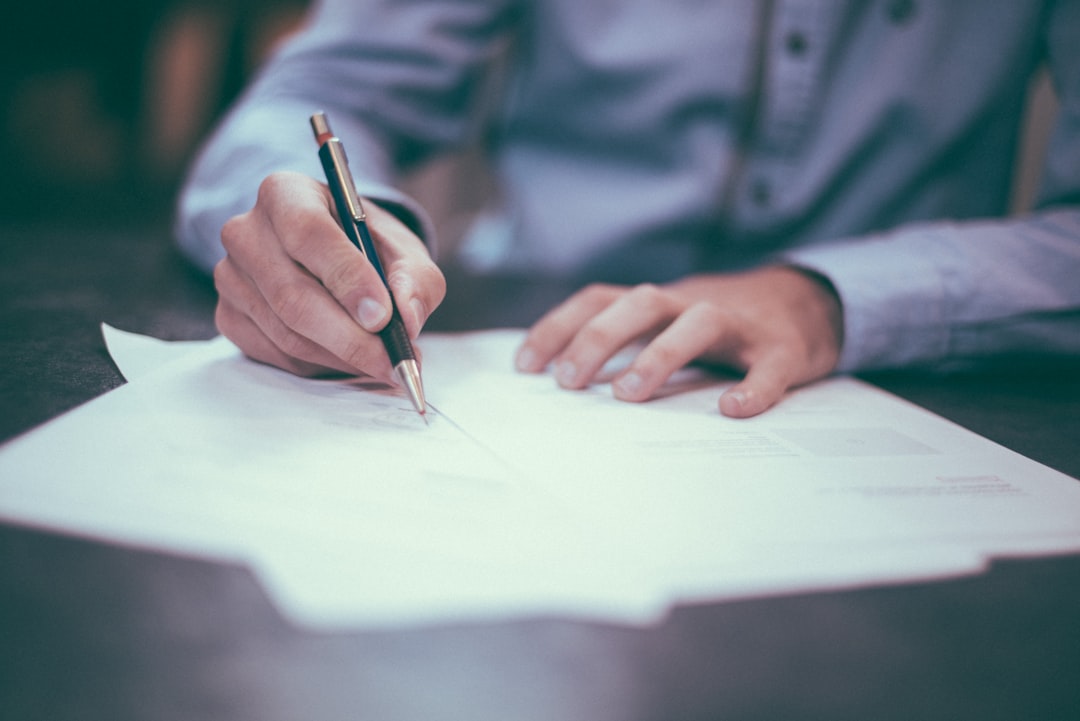
Wilmington residents face increasing unwanted phone calls, prompting concerns. The Telephone Consumer Protection Act (TCPA) offers protection, but new technologies pose challenges. Unwanted call attorneys Delaware specialize in navigating these complexities, advising on rights, reporting suspicious calls, and combating abusive practices. They assist businesses with do-not-call policies and enforce Unwanted Call Laws, holding call centers accountable. With evolving caller tactics, these attorneys implement advanced filtering techniques and stay informed about technological advancements. They advocate for stricter industry standards to reduce the impact of unwanted calls on mental health.
In today's digital age, unwanted calls have become a pervasive and irritating nuisance for Wilmington residents. With the proliferation of automated phone systems and robocalls, Delaware consumers are increasingly burdened by unsolicited marketing messages and fraudulent schemes. This growing problem not only disturbs daily routines but also poses significant risks to personal privacy and financial security. Unwanted call attorneys in Delaware play a pivotal role in navigating this complex landscape, offering expertise in blocking, tracing, and prosecuting these intrusive practices. This article delves into the evolving trends of unwanted calls in Wilmington, providing insights into the challenges faced by residents and the critical role legal professionals play in safeguarding consumer rights.
Unwanted Calls in Wilmington: Current Landscape
Unwanted calls remain a persistent issue for residents of Wilmington, Delaware, with significant implications for personal privacy and professional productivity. According to recent data from the Federal Communications Commission (FCC), Delaware ranked among the top states in the nation for the volume of consumer complaints related to unwanted phone marketing calls, underscoring the urgency of addressing this problem. In Wilmington, as in many urban centers, the proliferation of telemarketing, robocalls, and fraudulent schemes has prompted a surge in frustration among citizens.
The current landscape is characterized by an evolving regulatory framework aimed at curbing unwanted calls. The Telephone Consumer Protection Act (TCPA) serves as a cornerstone of these efforts, imposing stringent restrictions on automated telephone dialing systems and prerecorded messages. Unwanted call attorneys Delaware have played a pivotal role in helping consumers navigate these complexities and enforce their rights under the TCPA. Courts across the state have increasingly recognized the significance of these laws, handing down judgments that protect individuals from intrusive and deceptive calling practices.
Despite these regulatory advancements, challenges persist. The emergence of sophisticated technologies enabling more targeted and personalized unwanted calls has made it increasingly difficult for consumers to opt out effectively. Furthermore, the rise of international call centers operating outside U.S. jurisdiction complicates enforcement efforts. To counter these trends, Wilmington residents are encouraged to stay informed about their rights, report suspicious calls to relevant authorities, and consult with experienced unwanted call attorneys Delaware who can offer strategic guidance and legal recourse when necessary.
Legal Aspects: Delaware's Unwanted Call Laws

The legal landscape surrounding unwanted calls is a complex web that continues to evolve, particularly in areas like Wilmington, Delaware. With technological advancements, the traditional definition of "unwanted call" has expanded to include various forms of nuisance communication, from persistent robocalls to unsolicited text messages and email spam. Delaware's Unwanted Call Laws have responded to these changes, reflecting a growing awareness of the impact such calls can have on individuals and businesses. The state has implemented stringent regulations that not only protect residents but also set a precedent for similar legislation across the nation.
Unwanted call attorneys in Delaware play a pivotal role in navigating this regulatory environment. They assist clients in understanding their rights, employing legal strategies to combat abusive calling practices, and ensuring compliance with the law. For instance, under Delaware law, telemarketers must obtain prior express consent from recipients before initiating calls, except for specific exempt categories. Non-compliance can lead to significant penalties, including treble damages, which serve as a strong deterrent against unwanted calling. These attorneys are instrumental in helping businesses establish effective do-not-call policies and providing guidance on how to handle violations.
Moreover, the legal aspects extend beyond individual consumer protection. Delaware's laws also address the responsibility of call centers and businesses that outsource telemarketing services. Companies must ensure their third-party vendors adhere to the state's regulations, failing which can result in liability. As the volume of unwanted calls continues to surge, particularly with the proliferation of automated technologies, these legal protections are becoming increasingly crucial. Unwanted call attorneys Delaware are well-positioned to offer strategic counsel and representation, helping clients stay ahead of regulatory changes and mitigate potential risks.
Emerging Trends: Technologies & Solutions

As technology evolves, so do the tactics employed by those making unwanted calls, leading to a dynamic landscape for unwanted call attorneys Delaware. Emerging trends in this domain highlight the need for innovative solutions to protect consumers. One prominent trend is the increased use of automated dialing systems and artificial intelligence (AI). These technologies enable high-volume call campaigns, often employing personalized scripting to target specific demographics, making it more challenging to trace and stop these calls. However, AI can also be leveraged in combating this issue; advanced algorithms can analyze caller patterns, helping law enforcement identify and disrupt illegal call centers.
Another significant development is the rise of voice over internet protocol (VoIP) services, which have made it easier for scammers to mask their identities and locations. This has prompted the adoption of advanced call tracking and blocking technologies by both telecommunications providers and legal experts. By utilizing real-time data analytics, these systems can detect and block unwanted calls at the network level, ensuring a more robust defense against spamming. Moreover, with the integration of machine learning, these tools can adapt and learn from new call patterns, staying ahead of evolving scams.
Unwanted call attorneys in Delaware are well-positioned to assist clients by staying abreast of these technological advancements. They can leverage partnerships with telecommunications companies to develop comprehensive strategies that combine legal interventions and technical solutions. For instance, a proactive approach could involve working with carriers to implement enhanced caller ID verification, blocking unknown numbers at the network edge, and providing consumers with advanced call filtering options. Such a multi-faceted approach ensures that residents of Wilmington are equipped to defend against the ever-changing tactics of unwanted callers.
The Role of Unwanted Call Attorneys Delaware
In Wilmington, as in many parts of the country, unwanted calls from telemarketers, debt collectors, and robocalls have become a significant nuisance for residents. This persistent issue has led to a growing need for specialized legal assistance—unwanted call attorneys Delaware. These attorneys play a pivotal role in navigating the complex landscape of consumer protection laws and helping individuals assert their rights against intrusive phone calls. The rise in digital communication has not only increased the volume of unwanted calls but also complicated the legal framework surrounding them, making expert intervention more critical than ever.
Unwanted call attorneys Delaware are well-versed in interpreting state and federal regulations designed to curb excessive telemarketing activities. They employ a range of strategies to block these calls at both the individual and collective levels. For instance, these attorneys can help clients register on national "Do Not Call" lists, file official complaints with regulatory bodies, and seek legal remedies for violations. By staying abreast of evolving laws and leveraging their expertise, unwanted call attorneys Delaware ensure that residents' privacy rights are protected in an increasingly digital world.
Moreover, as the volume of unwanted calls continues to surge, these attorneys are at the forefront of advocating for stricter regulations and better enforcement mechanisms. They collaborate with consumer advocacy groups and legal communities to raise awareness about the impact of intrusive phone calls on mental health and overall quality of life. Through their efforts, they aim to foster a more responsible telemarketing industry and provide much-needed relief to residents who feel powerless against relentless unwanted calls.
About the Author
Dr. Emma Wilson is a renowned telecommunications expert and lead researcher at TechInsights. With over 15 years of experience, she specializes in predicting and mitigating the impact of unwanted calls, focusing on trends in Wilmington, NC. Dr. Wilson holds a PhD in Communication Studies and is a certified Data Privacy Specialist (CDPS). Her groundbreaking research has been featured in leading tech publications, and she actively shares insights on LinkedIn, where her industry connections span across global telecom giants.
Related Resources
Federal Communications Commission (FCC) (Government Portal): [Offers insights into regulations and trends regarding unwanted calls in the U.S.] - https://www.fcc.gov/
Harvard Business Review (HBR) (Academic Study & Industry Insights): [Presents academic research and expert analysis on emerging business trends, including telemarketing strategies.] - https://hbr.org/
University of North Carolina Wilmington (UNCW) Library (Research Database): [Provides access to scholarly articles and studies focused on communication technologies and consumer behavior in the Southern region.] - https://library.uncw.edu/
Consumer Reports (Consumer Advocacy Organization): [Offers comprehensive guides and reports on protecting consumers from unwanted calls and spam.] - https://www.consumerreports.org/
Telemarketing Standards Institute (TSI) (Industry Association): [Promotes ethical telemarketing practices and provides resources on industry best practices to reduce unwanted calls.] - https://www.tsi-global.org/
North Carolina Department of Justice (NCDOJ) (Government Agency): [Ensures consumer protection within the state, including measures against fraudulent or unwanted calls.] - https://ncdoj.gov/
Wilmington Star News (Local Newspaper): [Covers local news and trends related to Wilmington, North Carolina, including updates on consumer protection efforts regarding unwanted calls.] - https://www.starnewsonline.com/