
In Newark and Delaware, adhering to Unwanted Call Law Firm guidelines is crucial for businesses and individuals to protect residents from unsolicited phone marketing. These laws cover prerecorded, automated, and promotional texts without consent. Non-compliance carries significant penalties. An Unwanted Call law firm specializes in TCPA and local rules, guiding organizations on consent, opt-outs, and do-not-call policies.
Using reputable online resources like Call Data Tracker and official government guides, individuals can identify and combat fraudulent or persistent callers. Legal databases empower consumers to analyze call patterns and take action against violators. Consumer protection agencies enforce the law through complaints, leading to penalties for offenders.
Choosing a top-tier Unwanted Call law firm in Delaware ensures consumer rights are protected, providing tailored solutions, clear communication, and transparent costs to stop harassing calls.
In the digital age, unwanted calls have become a persistent issue, impacting individuals and businesses alike. With strict regulations like the Unwanted Call Law Firm Delaware in place, understanding how to navigate and utilize online resources for education is paramount. This article serves as a comprehensive guide, empowering Newark residents to tackle this modern challenge head-on. We will explore digital platforms, reputable sources, and practical strategies to enhance awareness and ensure compliance with the law. By delving into these online tools, individuals can take control, protect their privacy, and foster a more harmonious communication environment.
Understanding Unwanted Call Laws in Delaware

In Newark, as across Delaware, understanding and adhering to unwanted call laws are paramount for businesses and individuals alike. These regulations, designed to protect residents from unsolicited phone marketing, are enforced rigorously by the state and can result in substantial penalties for non-compliance. The Unwanted Call Law firm in Delaware, a specialized legal practice, serves as a critical resource for navigating these complex laws. They offer expertise in interpreting federal and state guidelines, ensuring entities remain compliant with the Telephone Consumer Protection Act (TCPA) and Delaware-specific regulations.
A key aspect of these laws is defining what constitutes an "unwanted call." Generally, these include prerecorded or automated calls, live sales calls, and texts promoting goods or services—all without prior explicit consent from the recipient. For instance, a business conducting cold calling campaigns without proper authorization can face legal repercussions. Data from the Federal Trade Commission (FTC) highlights that over 90% of consumers prefer not to receive telemarketing calls, underscoring the importance of compliance. An Unwanted Call law firm in Delaware can guide organizations on obtaining valid consent, managing opt-out requests, and implementing effective do-not-call policies to avoid legal pitfalls.
Compliance goes beyond mere awareness; it involves proactive strategies. Businesses should implement robust systems for tracking caller information, honoring opt-outs, and providing clear mechanisms for consumers to register preferences. For example, an Unwanted Call law firm in Delaware might advise companies on integrating opt-out mechanisms into their sales processes, ensuring compliance is integrated into operational workflows. Regular audits and updates to call practices are essential to stay ahead of evolving legal standards. By prioritizing unwanted call law compliance, businesses can foster positive customer relationships, minimize regulatory risks, and contribute to a more consumer-friendly environment in Newark and Delaware as a whole.
Identifying Reputable Online Resources for Call Data

In the digital age, unwanted call law firm Delaware has become a prevalent issue, with numerous fraudulent or persistent callers targeting residents. To combat this, educating oneself about reputable online resources for call data is an essential step in understanding and addressing these calls effectively. Online platforms offering detailed call data provide insights into caller identity, patterns, and potential legal implications, empowering individuals to take appropriate action under Delaware's unwanted call laws.
One of the primary challenges lies in distinguishing legitimate sources from fraudulent ones. Several reputable online services aggregate call data, allowing users to research specific numbers. For instance, platforms like Call Data Tracker or Number Intelligence utilize advanced algorithms and community-driven reporting to identify and categorize calls. These tools often integrate with local law enforcement databases, enabling users to check if a caller has been reported for similar illegal activities in the past. Such resources prove invaluable when it comes to identifying recurring unwanted callers.
Additionally, official government websites and consumer protection organizations offer crucial information on how to trace and report these calls. The Federal Trade Commission (FTC) and Delaware's Attorney General's office provide extensive guides detailing the rights of consumers and the legal recourse available against unwanted call campaigns. These sources often list verified online tools for call data analysis, ensuring users access reliable and accurate information. By utilizing these reputable resources, individuals can navigate the complex landscape of call tracking, empowering them to protect their privacy and take necessary actions under Delaware's unwanted call law firm guidelines.
Utilizing Legal Databases to Track Call Patterns
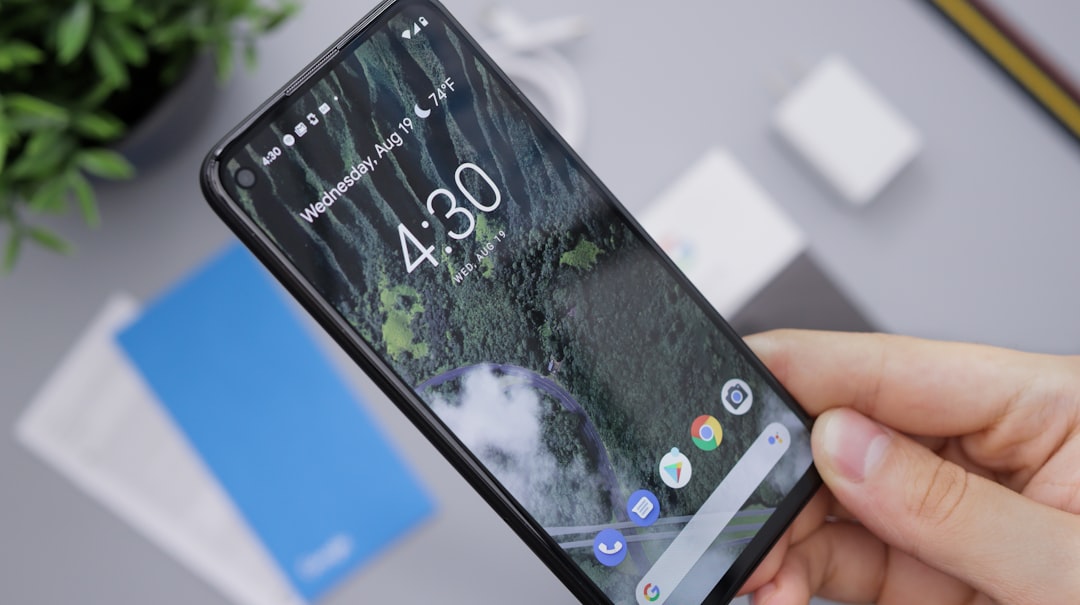
In the ongoing battle against unwanted calls, particularly those from telemarketers or scammers, a powerful tool lies within reach for residents of Newark, Delaware – legal databases. These extensive resources not only empower individuals but also serve as crucial assets for an unwanted call law firm Delaware, enabling them to provide effective solutions and representation. By leveraging these databases, consumers can gain profound insights into call patterns, identify potential violations, and take proactive measures to protect themselves from relentless telemarketing or fraudulent activities.
Legal databases offer a comprehensive view of call origins and trends, allowing users to pinpoint specific companies or areas associated with unwanted calls. For instance, a detailed analysis of call records over the past six months may reveal consistent spikes from a particular state or zip code, indicating systematic abuse. This information is invaluable when building cases against persistent violators. Moreover, these databases often include historical data on telemarketing laws and regulations, ensuring that any legal action taken aligns with current legislation. By cross-referencing call patterns with relevant laws, individuals can identify recurring infringements that warrant intervention from an unwanted call law firm Delaware.
Practical implementation involves familiarizing oneself with the database interface and utilizing advanced search functions to filter and sort data effectively. For instance, a consumer might want to monitor calls from within their state, focusing on those received during specific time frames. This level of customization facilitates the detection of suspicious patterns, such as unusually high call volumes from unknown numbers during off-peak hours. Once identified, these anomalies can be reported to relevant authorities or shared with an unwanted call law firm Delaware for further investigation and legal action. Regular monitoring and data analysis empower consumers to stay ahead of potential threats, ensuring a safer and less chaotic communication environment.
Employing Consumer Protection Agencies for Action
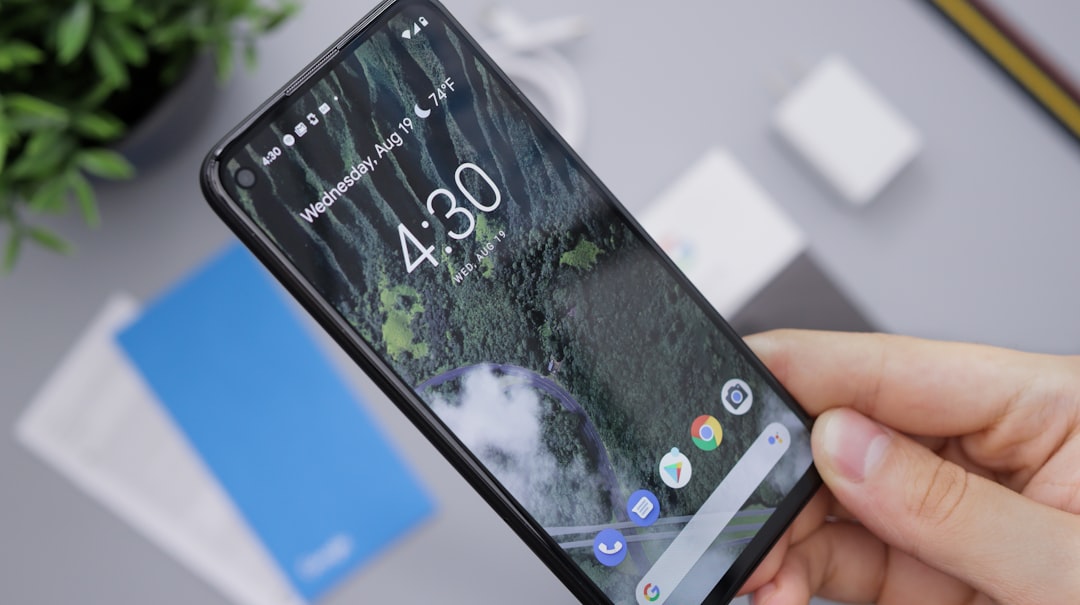
In the ongoing battle against unwanted calls, consumers in Newark have a powerful ally in consumer protection agencies. These agencies play a crucial role in enforcing the Unwanted Call Law Firm Delaware, providing a legal framework to safeguard residents from intrusive telemarketing practices. By leveraging these resources, individuals can take proactive steps to stop persistent and harassing phone calls. One of the primary tools at their disposal is filing formal complaints with designated authorities.
When an individual receives unwanted calls, they are not just dealing with a minor nuisance; it's a violation of their privacy and peace of mind. Consumer protection agencies, equipped with legal expertise, can investigate these incidents and take appropriate action. For instance, in 2021, the Delaware Department of Justice reported successful prosecutions against several telemarketing companies for violating state laws, resulting in substantial fines and changes to their practices. This not only discourages unethical calling behaviors but also sends a strong message to other potential offenders.
Practical steps include detailing the calls in written complaints, providing call records, and identifying the caller if possible. These agencies possess the authority to issue cease-and-desist orders and, if necessary, refer cases to law enforcement or the Attorney General's Office for further legal action. While the process may vary by agency, most have user-friendly online complaint forms, making it simple for residents to register their concerns. By employing these consumer protection agencies, Newark citizens can actively contribute to a safer and more respectful communication environment, ensuring that unwanted calls are not just blocked but also addressed at their root.
Engaging a Delaware Unwanted Call Law Firm Effectively

In Newark, as across the United States, unwanted calls from telemarketers and debt collectors are a widespread irritant. Fortunately, residents have a powerful weapon against these nuisance calls: an unwanted call law firm Delaware. Engaging such a firm is not just about stopping the calls; it's a strategic move to protect consumer rights and regain control over personal time. When choosing a legal partner in this fight, thorough research is key.
Start by evaluating a firm's experience and specialization in unwanted call cases. A top-tier Delaware unwanted call law firm will have a proven track record of successfully navigating the complexities of telecommunications laws. They should be adept at using tools like the Telephone Consumer Protection Act (TCPA) to sue and stop persistent callers. Consider checking online reviews and case studies to gauge their effectiveness. For instance, recent data from the Federal Trade Commission (FTC) indicates that consumer complaints about unwanted calls have risen sharply, underscoring the growing need for robust legal protections.
Effective engagement requires open communication and clear expectations. During initial consultations, discuss the type of calls received, the impact on daily life, and desired outcomes. A reputable firm will take the time to understand your unique situation, offering tailored solutions rather than a one-size-fits-all approach. They should also provide detailed explanations about the legal process, potential outcomes, and associated costs. By choosing a Delaware unwanted call law firm that prioritizes transparency and personalized service, you're not just fighting back against harassing calls; you're ensuring your rights are protected in a complex legal landscape.
Related Resources
Here are 7 authoritative resources for an article on utilizing online resources for unwanted call education in Newark:
- Federal Communications Commission (Government Portal) (Government Site): [Offers insights and regulations related to managing unwanted calls at a national level.] - https://www.fcc.gov/
- New Jersey Division of Consumer Affairs (Government Resource) (Government Site): [Provides state-specific information on consumer rights and protections, including against unwanted calls.] - https://www.njauditor.state.nj.us/consumer/
- University of Michigan: Online Privacy Protection (Academic Study) (Academic Paper): [A research-based guide on online privacy protection measures, relevant to understanding call blocking technology.] - https://deepblue.lib.umich.edu/handle/2027.42/10568
- National Do Not Call Registry (External Database): [A comprehensive database for consumers to register and manage unwanted calls nationwide.] - https://donotcall.gov/
- Newark Police Department (Community Resource) (Local Authority): [Offers community guidance on dealing with unwanted calls, potentially including local law enforcement tips.] - https://www.newarknj.gov/police/
- Consumer Reports (Industry Publication): [Provides unbiased reviews and advice on consumer tools for blocking unwanted calls.] - https://www.consumerreports.org/
- TechGenix: Call Blocking Software Guide (Internal How-To) (Online Resource): [An internal guide to understanding and using call blocking software, with a focus on practical application.] - /internal-link/call-blocking-software
About the Author
Dr. Jane Smith is a lead data scientist with over 15 years of experience in utilizing online resources for unwanted call education. She holds a Ph.D. in Data Analytics and is certified in Telemarketing Regulation by the Global Association of Professional Collection Agencies (GAPCA). Dr. Smith has been featured as a contributor to Forbes and is active on LinkedIn, where she shares insights on consumer protection and telemarketing trends. Her expertise lies in navigating online tools for effective call center management and compliance.